

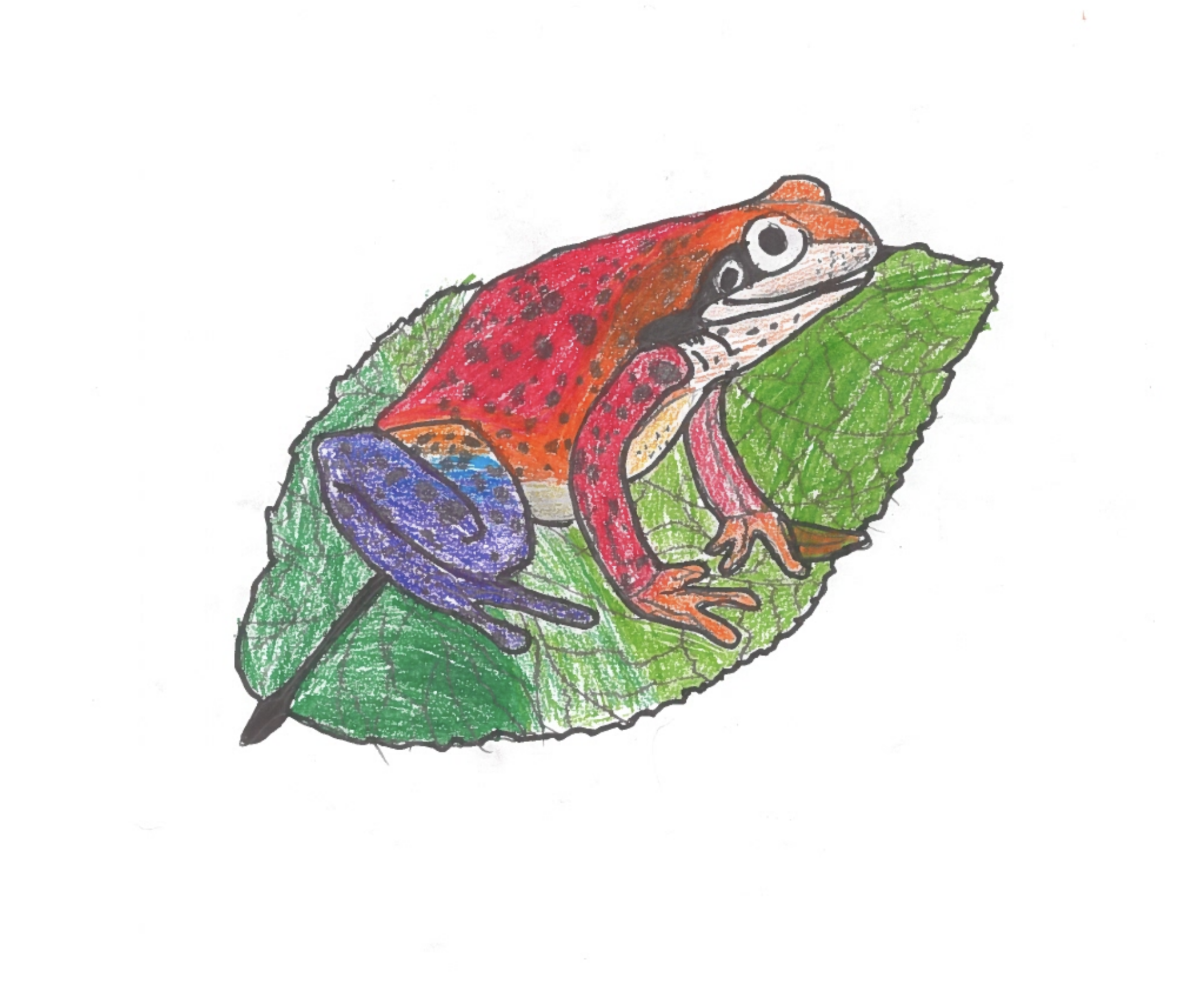
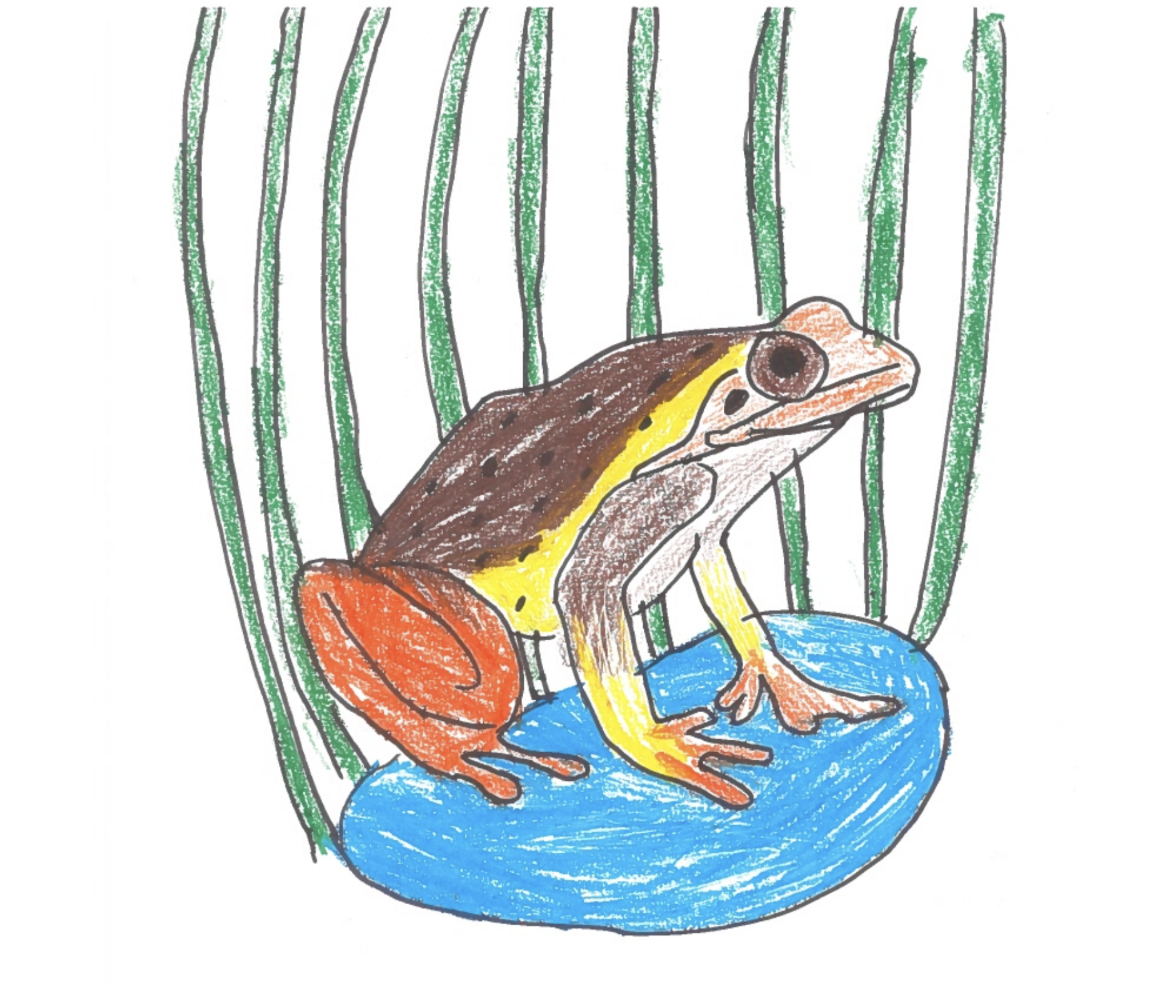
This project explores the future evolution of a poison dart frog as tropical rainforests fragment and transform into hotter savannas and seasonal wetlands. Today’s frog relies on bright warning colors, moist leaf litter, and toxic skin for survival. As forests shrink and temperatures rise, future frogs would face stronger sunlight, drier conditions, and fewer insect prey. The adapted frog shown has dull, grass-colored camouflage to avoid predators rather than warning them. Its thicker, leathery skin helps prevent water loss and tolerate pollution, while longer legs improve movement across open ground. Partial webbing allows travel between seasonal wetlands during floods. Reduced toxicity reflects changes in diet as toxic ants become rare. These adaptations show how rainforest species may survive dramatic environmental change—or risk extinction without them.
Contact us
Thank you for your interest in contacting Future Engineers. We look forward to connecting with you!
General Inquiries
support@futureengineers.orgSponsorship Inquiries
sponsor@futureengineers.org