

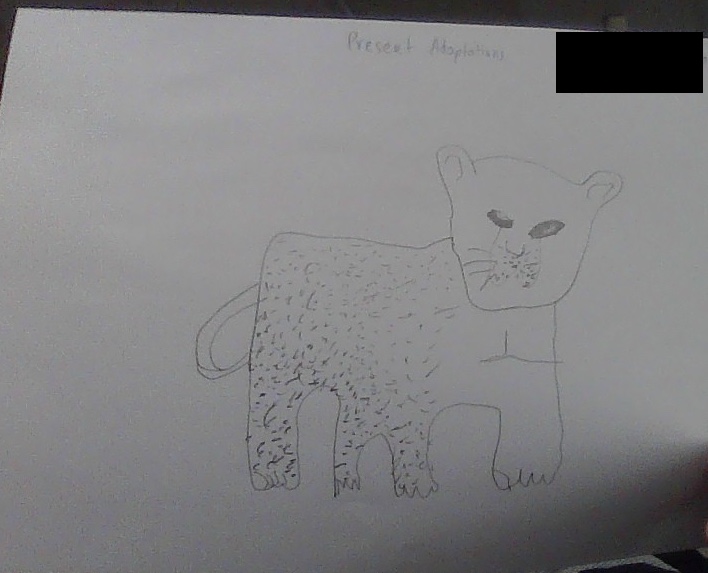
Before the environmental changes, jaguars lived mostly in dense tropical rainforests with thick vegetation and plenty of prey. They had strong, muscular bodies and relatively short legs that helped them move through forests and swim in rivers. Their fur was thick and dark with rosette spots, which helped them camouflage in shaded forests. Food, water, and shelter were easier to find, so they did not need to travel very long distances.
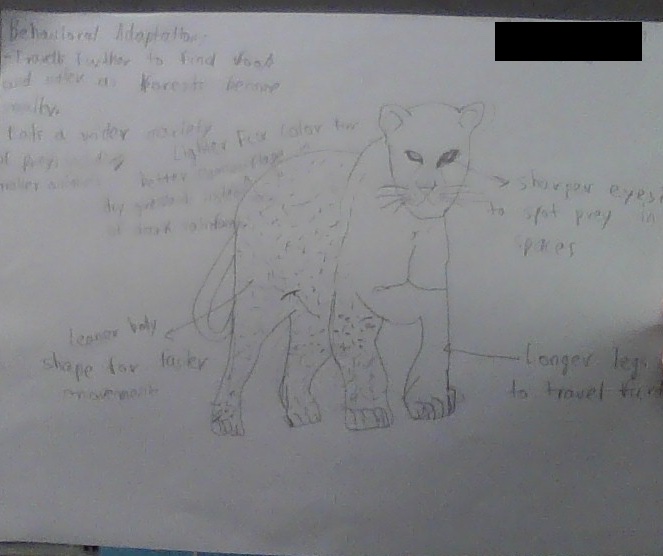
After the environment became hotter and forests became smaller, jaguars developed new adaptations to survive. Their fur became shorter and thinner to regulate body temperature, and they became more active at night to avoid heat. They evolved longer legs and leaner bodies to travel farther for food and water. Their paw pads became thicker for hot ground, their fur became lighter for camouflage, and their eyesight became sharper to spot prey in open areas.
Contact us
Thank you for your interest in contacting Future Engineers. We look forward to connecting with you!
General Inquiries
support@futureengineers.orgSponsorship Inquiries
sponsor@futureengineers.org