

Over time, environmental changes could dramatically alter the Amazon rainforest.
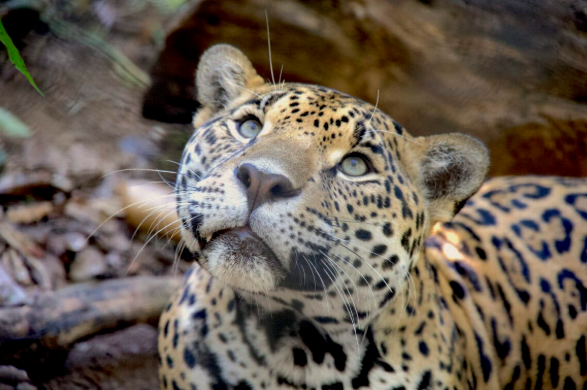
Rising temperatures and decreasing rainfall might transform dense, damp forests into drier savannas with scattered, hardy trees. In response, jaguars would likely adapt both physically an behaviorally to survive.
Their thick, golden coats with bold patterns might become lighter and
less distinct, helping them blend into grasses instead of forest shadows.
Prey would be more spread out, so jaguars may evolve leaner bodies and longer legs for running faster and covering greater distances.
Larger ears could help release heat in hotter climates. Fragmented habitats
may favor jaguars capable of surviving in smaller territories and eating a more varied diet, including reptiles, birds, and smaller mammals. Over many generations, natural selection would favor traits suited to warmer, drier environments, enabling jaguars to persist despite ongoing climate change.
Contact us
Thank you for your interest in contacting Future Engineers. We look forward to connecting with you!
General Inquiries
support@futureengineers.orgSponsorship Inquiries
sponsor@futureengineers.org