

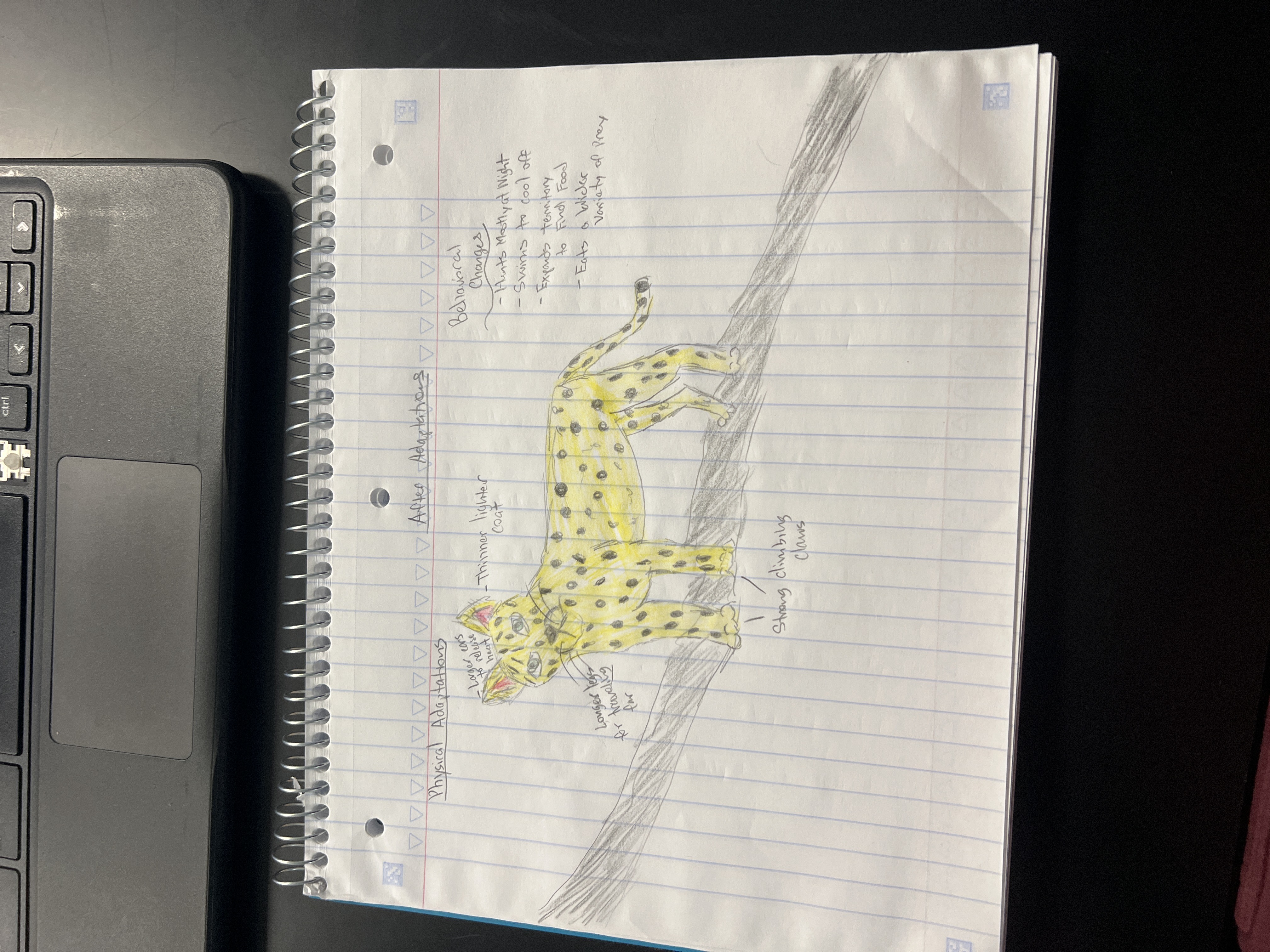
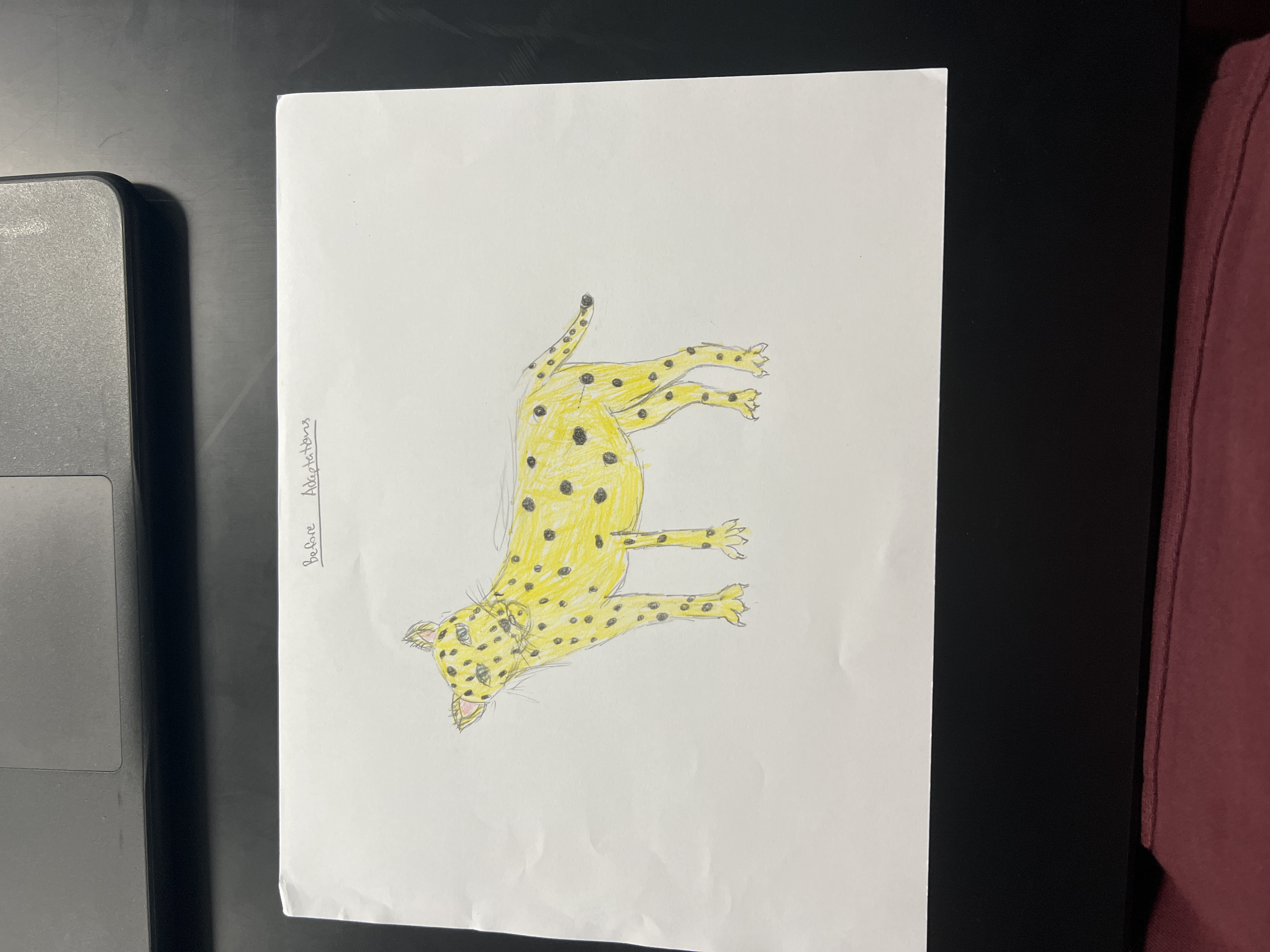
The Panthera onca currently thrives in dense, humid rainforests filled with thick vegetation and steady rainfall. However, over thousands of years, climate change and deforestation could transform much of this habitat into dry savannas and seasonal wetlands. To survive in a hotter, more open environment, the jaguar may evolve larger ears to release excess body heat and a thinner, lighter-colored coat to blend into sun-bleached grasses and dusty terrain. Longer legs would allow it to travel greater distances in search of prey, while stronger climbing claws would help it scale trees during floods or to escape danger. Its behavior would likely change as well. To avoid extreme daytime heat, it would hunt mostly at night. It may swim more frequently to cool off, expand its territory to find food, and adapt to eating a wider variety of prey to survive in its changing world.
Contact us
Thank you for your interest in contacting Future Engineers. We look forward to connecting with you!
General Inquiries
support@futureengineers.orgSponsorship Inquiries
sponsor@futureengineers.org