

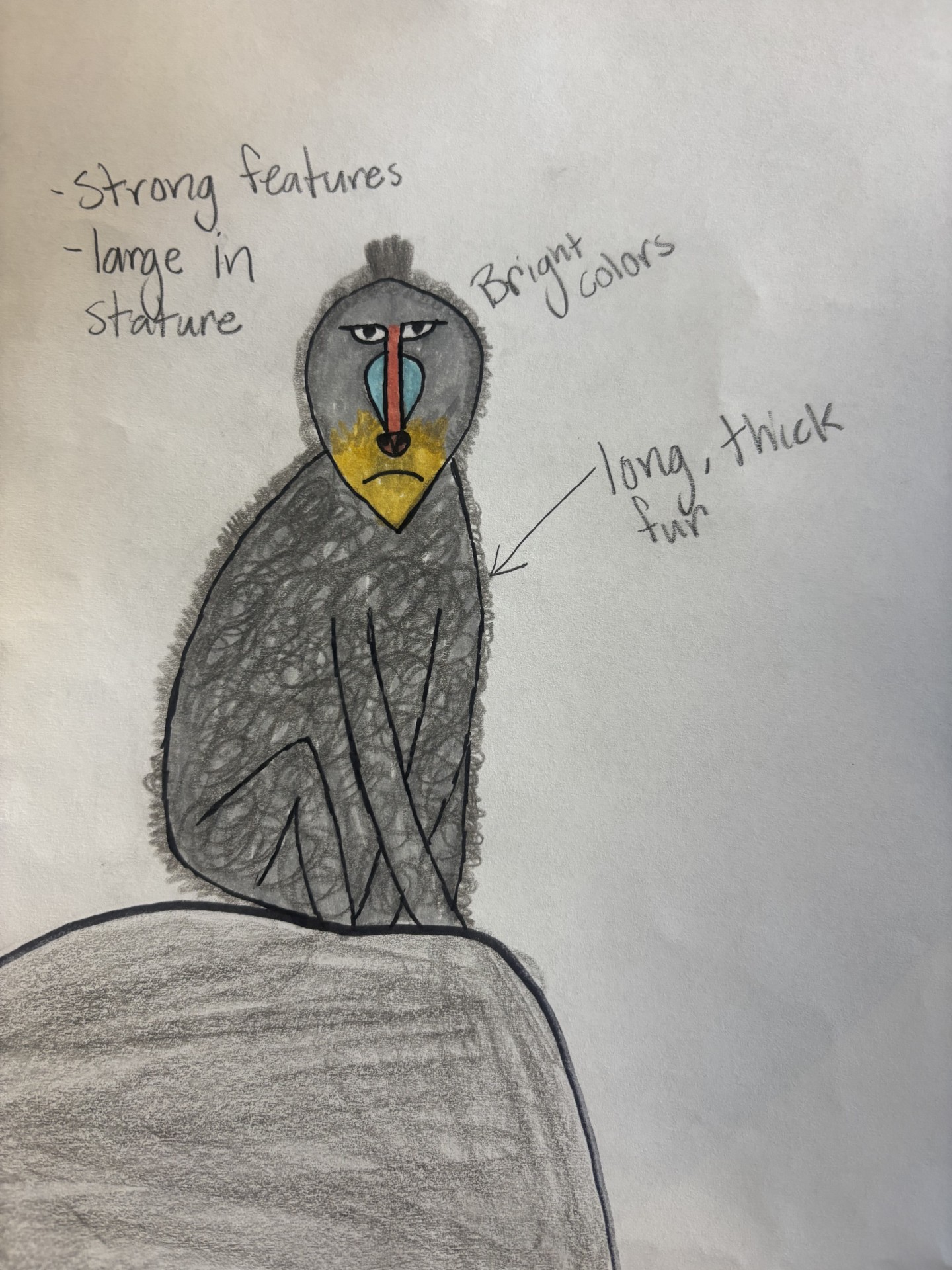
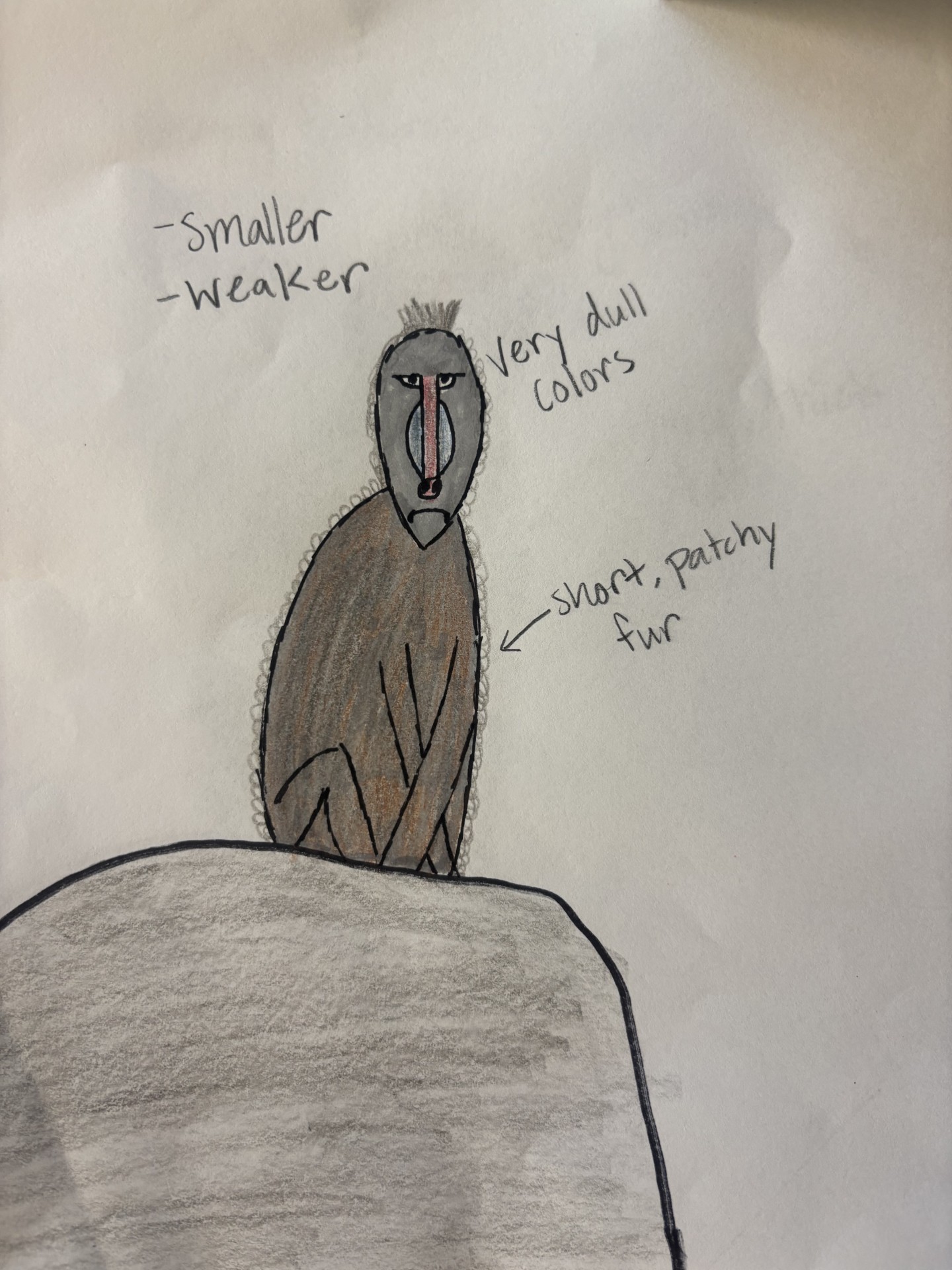
Over the next 10,000 years, mandrills could evolve in response to long-term environmental change such as rising temperatures and shrinking rainforests. As food becomes less predictable, smaller body sizes and slightly weaker physical features may be favored because individuals that require less energy would have a better chance of surviving. With hotter climates, mandrills might also develop less fur to help release body heat more efficiently. In more open or fragmented habitats, their bright facial colors could become duller over time, since less noticeable individuals may avoid predators more easily. These gradual adaptations would not turn mandrills into a completely new species, but they could create a population better suited to warmer, drier environments with limited resources.
Contact us
Thank you for your interest in contacting Future Engineers. We look forward to connecting with you!
General Inquiries
support@futureengineers.orgSponsorship Inquiries
sponsor@futureengineers.org